
Copra
From Copra to Coconut Oil: The Extraction Process Explained
A step-by-step overview of how copra is processed into crude and RBD coconut oil, for buyers evaluating suppliers.
Read More
From Our Desk
Specifications, sourcing guides, market notes, and supplier advice, written for importers and brands sourcing from Indonesia.
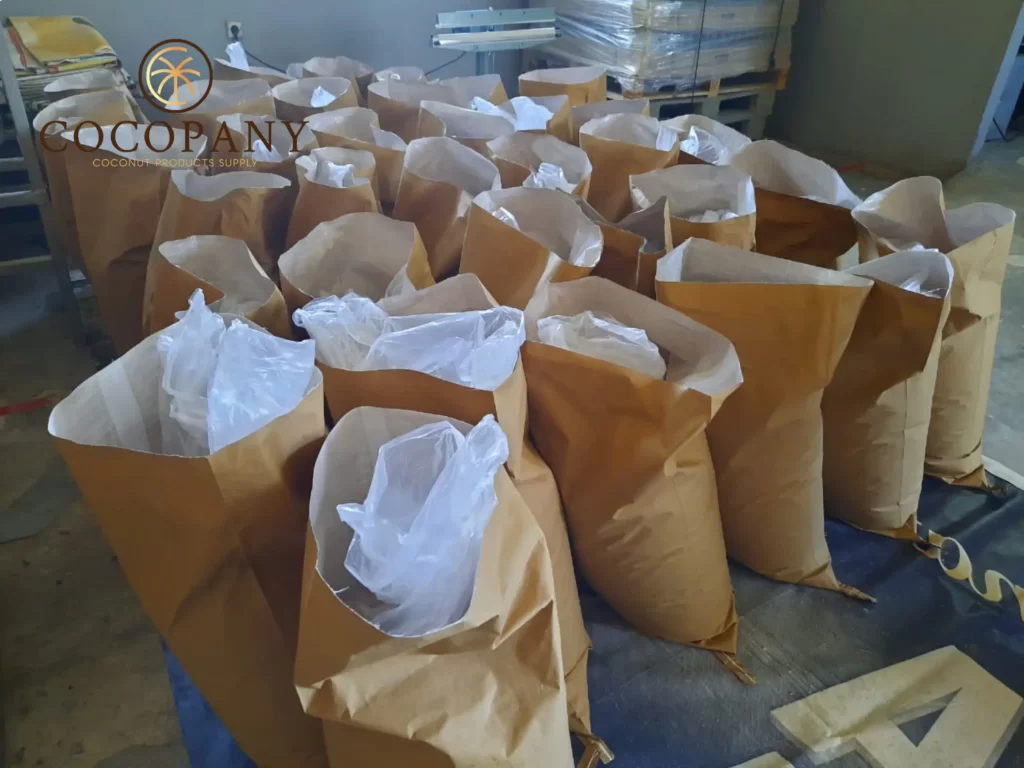
A step-by-step overview of how copra is processed into crude and RBD coconut oil, for buyers evaluating suppliers.
Read More
An overview of the world's largest copra and coconut-producing countries, and Indonesia's position in global supply.
Read More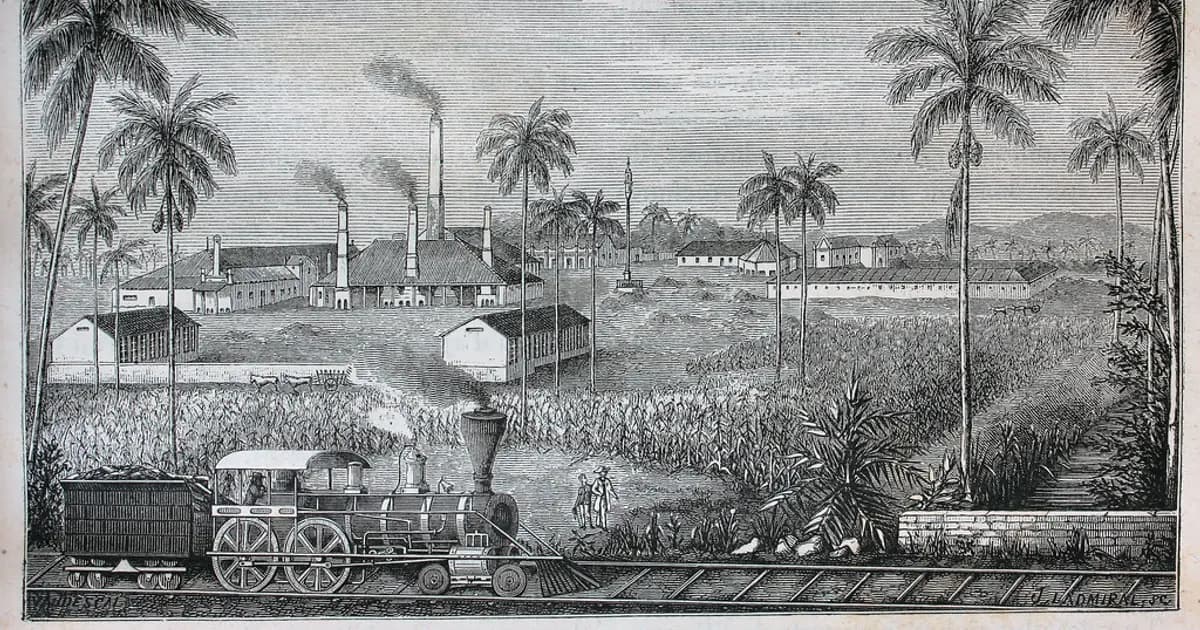
How granulated and powder coconut sugar differ in use, dissolution, and packaging, and how to choose between them.
Read More
The main factors that move coco peat FOB pricing, so buyers can evaluate a quotation with more context than price alone.
Read More
Why moisture content matters for coco fiber exports, typical targets, and how it interacts with baling and packaging.
Read More
What Halal certification covers for coconut oil, why it matters even for a naturally plant-based product, and what to ask a supplier.
Read More
A quick reference to common desiccated coconut applications across bakery, confectionery, snacks, and beverages.
Read More
How coconut aminos compares to soy sauce on allergens, sodium, flavor, and formulation, for food manufacturers evaluating a substitution.
Read More
Why copra remains the standard feedstock for coconut oil extraction, and when desiccated coconut is used instead.
Read More
What the research says about coconut sugar's glycemic index compared to cane sugar, and how buyers should approach GI-related marketing claims.
Read More
The practical difference between coco peat and coco fiber, and how to decide which one — or which blend — fits your application.
Read More
What hydroponic growers should specify when sourcing coco peat, including EC, pH, buffering, and particle consistency.
Read More