
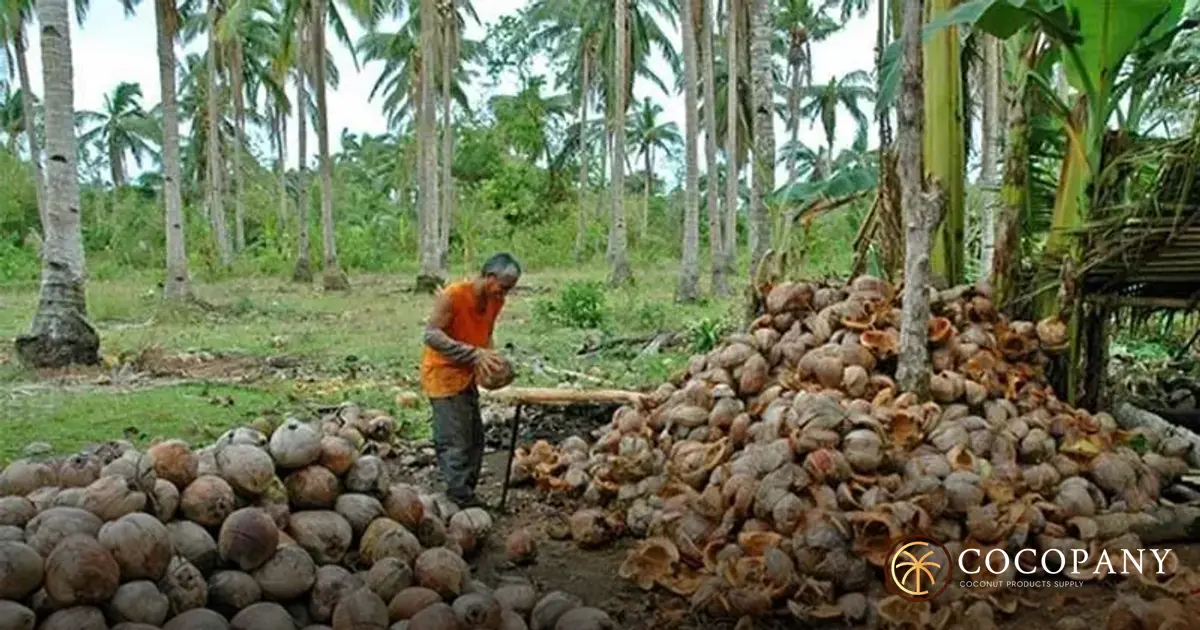
How To Get A Fine Coconut Meat In 2 Stages
Whole coconut meat is easy to find in the grocery store. This product is the most wanted because of its super delicious taste and benefit for health. This fruit shares multiple fantastic ingredients.
This post will share information about what to do with a whole coconut. Let’s see the following steps to use it properly.
Before consuming this fruit for desiccated coconut meat, we should know how to select this product. There are simple things to consider in picking a whole coconut.
First, find a good store that supplies fresh products. It means that you have to select a store having a regular turnover.
This tip is recommended if you want to buy kitchen ingredients supplies. Get the chance to choose the fresh one.
Second, look at the coconut eyes. We can recognize the eyes from the three small dots found in one end. Make sure the coconut is dry and free of mold.
Reassure the entire product free from mold. Additionally, you have to check the cracks and their sogginess as well. By seeing a crack or multiple cracks, we can identify a coconut, whether damp or not.
Then, shake the coconut gently. This process is another method to know about a fresh coconut.
If it is full of water, the fruit will feel heavy. Besides, we can hear the water sloshing from inside.
Once we get fresh coconut, the next step is to crack it open. The process can be tricky and need several ways. Yet, after we can do it properly, we can practice it to another one.
There are many traditional methods to crack open a coconut. In this part, our company follows the hygiene standard to get a high-quality product.
What This Guide Helps You Decide
Understand the steps to pick the whole coconut and enjoy its multiple benefits should answer a practical question: whether the offered coconut products is suitable for a defined product, process, and destination market. Start with the intended use, then translate that use into measurable requirements. A broad label or attractive sample is not enough. The decision needs an agreed specification, a representative production sample, and records that connect every result to a lot.
For the target term coconut meat, the useful answer is not a universal grade. The correct choice depends on the process, equipment, formulation, packing format, storage period, and local requirements. Buyers should separate mandatory limits from preferences so quotations remain comparable and suppliers know which deviations require approval.
Evaluation Framework for coconut products
| Review area | What to confirm | Why it matters |
|---|---|---|
| Intended use | Product, process, dosage, and performance target | Prevents approval of a technically unsuitable grade |
| Core quality | product identity, test method, application fit | Converts the commercial name into measurable acceptance criteria |
| Consistency | Lot range, sampling point, and test frequency | Shows whether repeat shipments can match the approved sample |
| Documents | Specification, COA, traceability, and declarations | Connects claims and test results to the supplied lot |
| Logistics | Packing, quantity, Incoterm, and storage conditions | Protects quality and makes delivered-cost comparisons fair |
The table is a starting framework, not a substitute for a product-specific contract. Test methods, units, tolerances, and sampling rules should be written beside every critical parameter. When a result is disputed, both parties then have the same basis for retesting and resolution.
How to Qualify a Sample and Production Lot
First request a representative sample and the supplier's current specification. Evaluate product identity, test method, and application fit using the same method that will be used for production lots. Record preparation conditions because hydration, temperature, grinding, or storage can change the apparent result. A sample without a lot code or test date is useful for exploration but weak evidence for approval.
Next, run the sample in the real application. Laboratory conformity does not automatically prove processing performance, flavor compatibility, handling behavior, or finished-product stability. Document the trial conditions, acceptance criteria, and result. If the application changes, repeat the trial instead of assuming that the first approval remains valid.
Finally, compare the first commercial lot with the retained approval sample and certificate of analysis. Inspect packaging and labeling before release. Keep the purchase specification, COA, inspection record, and complaint procedure together. This creates a traceable decision rather than relying on email claims or memory.
Commercial Questions That Prevent Misunderstandings
Ask who controls production, testing, packing, and export documentation. Confirm whether the quotation covers the same grade, packing, tolerance, inspection basis, and delivery term. A lower unit price may exclude testing, inner liners, palletization, or inland transport. Compare the delivered offer only after these differences are normalized.
For repeat orders, define change control. The supplier should disclose meaningful changes to raw material, process, test method, factory, or packaging before shipment. Agree how nonconforming lots will be quarantined, retested, replaced, or credited. These details are especially important when packaging and traceability affect finished-product performance.
Common Mistakes to Avoid
- Approving coconut products from a sales description without numerical limits or test methods.
- Treating one small sample as proof of long-term production consistency.
- Comparing prices that use different packing, moisture basis, quantities, or Incoterms.
- Accepting a certificate that cannot be connected to the delivered lot.
- Making health, sustainability, or performance claims that exceed the available evidence.
Final Approval Checklist
Before approval, write the intended use, specification revision, sample code, and responsible reviewer on one record. Confirm product identity, test method, application fit, packing, labeling, quantity tolerance, and delivery terms against the quotation. Attach the application-trial result and identify any conditional acceptance. For the commercial lot, match the COA and package labels to the lot code, inspect shipping condition, and retain a reference sample. Record deviations in measurable terms and agree whether they require retesting, replacement, credit, or a controlled concession. Add the review date and next requalification point so an old approval is not used after a material process, source, or packaging change. This final check keeps the decision for Understand the steps to pick the whole coconut and enjoy its multiple benefits traceable and repeatable.
Related Reading
- Coco Fiber Liners for Planters: 7 Easy Ways to Use Them
- Coco Peat vs Peat Moss: Differences and Best Uses Guide
- CFAD Specifications: Composition and Industrial Applications
- Cold Pressed vs Expeller Pressed Coconut Oil: Key Differences for Buyers
Frequently Asked Questions
What should a buyer check first for coconut products?
Start with the intended application and convert it into a written specification. Identify the critical limits for product identity, test method, and application fit. Confirm the test methods, units, sampling plan, packaging, and destination requirements before comparing quotations or approving a sample.
Is a certificate of analysis enough to approve coconut products?
No. A certificate of analysis is useful only when it identifies the lot, methods, date, and relevant results. Buyers should also review a representative sample, run an application trial, inspect packaging, and verify that the supplier can reproduce the approved quality during commercial production.
How many samples should be evaluated before ordering?
There is no universal number, but the sample must represent the proposed production grade and packing. For a critical application, compare more than one lot or production date. Keep an approved reference sample, record the trial conditions, and define what must be retested before shipment.
How should competing coconut products quotations be compared?
Normalize the grade, specification, dry or wet basis, packing, quantity tolerance, inspection scope, Incoterm, and payment terms. Then compare usable product and delivered cost. A headline price can be misleading when suppliers include different testing, liners, pallets, documents, or inland logistics.
What should be agreed for repeat coconut products orders?
Use the same specification revision, test methods, acceptance limits, and sampling plan for every lot. Require traceable certificates and advance notice of process or packing changes. Retain samples and review trends so gradual shifts in packaging or traceability are detected early.