

Exporting to 30+ Countries
Premium Coconut Products,
Sourced Directly from Indonesia.
We supply certified coconut derivatives, from virgin oil and desiccated coconut to charcoal briquettes and cocopeat, in bulk, to buyers worldwide.
- USDA Organic Certified
- Min. Order: 20 Metric Tons
- Export to 30+ Countries
- 9+
- Products
- 30+
- Countries Served
- 6
- Certifications
- 2018
- Established
What We Supply
Nine Coconut Products, One Reliable Source
From food grade oils and organic sweeteners to agricultural substrates and industrial grade charcoal.
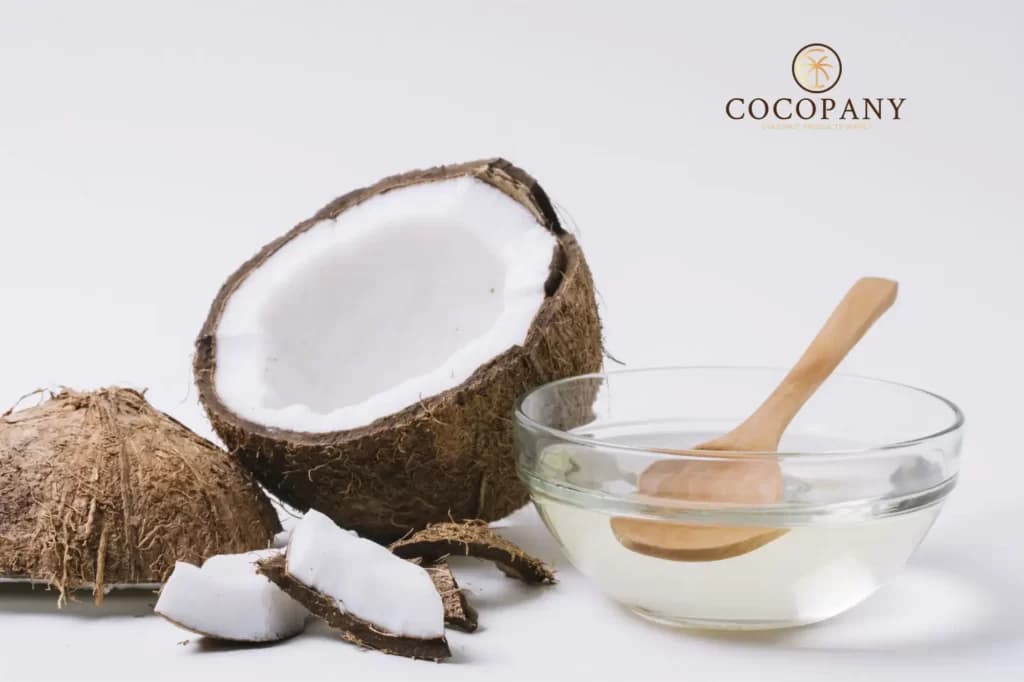
Virgin Coconut Oil
Cold pressed oil from fresh kernel, with no chemical refining, bleaching, or deodorising.
View Details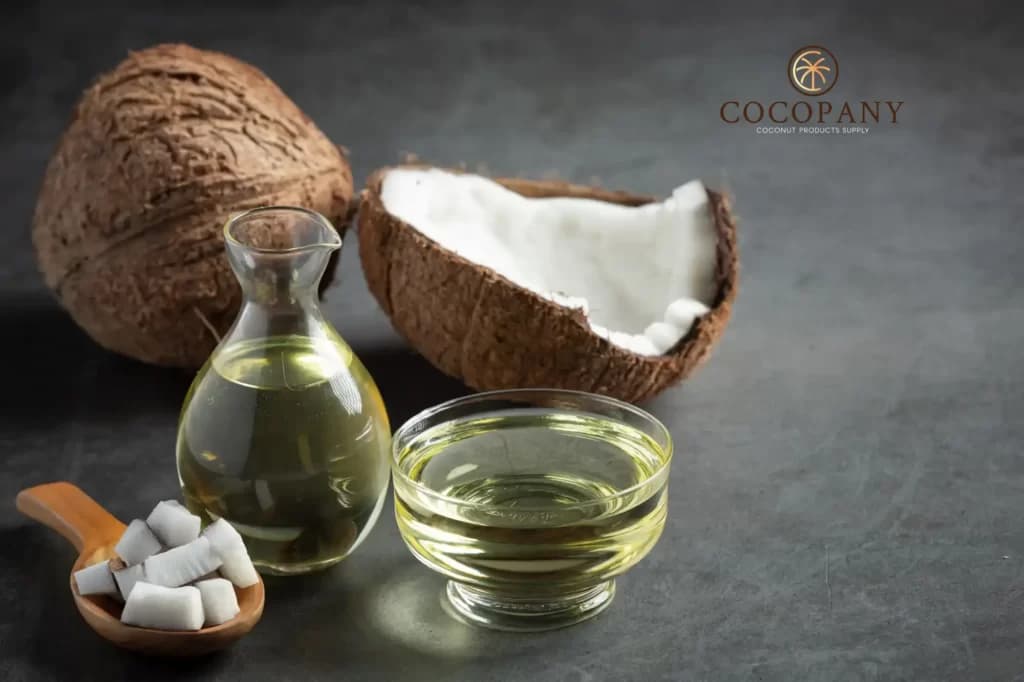
RBD Coconut Oil
Neutral tasting refined oil for frying, bakery fats, soap bases, and cosmetic formulation.
View Details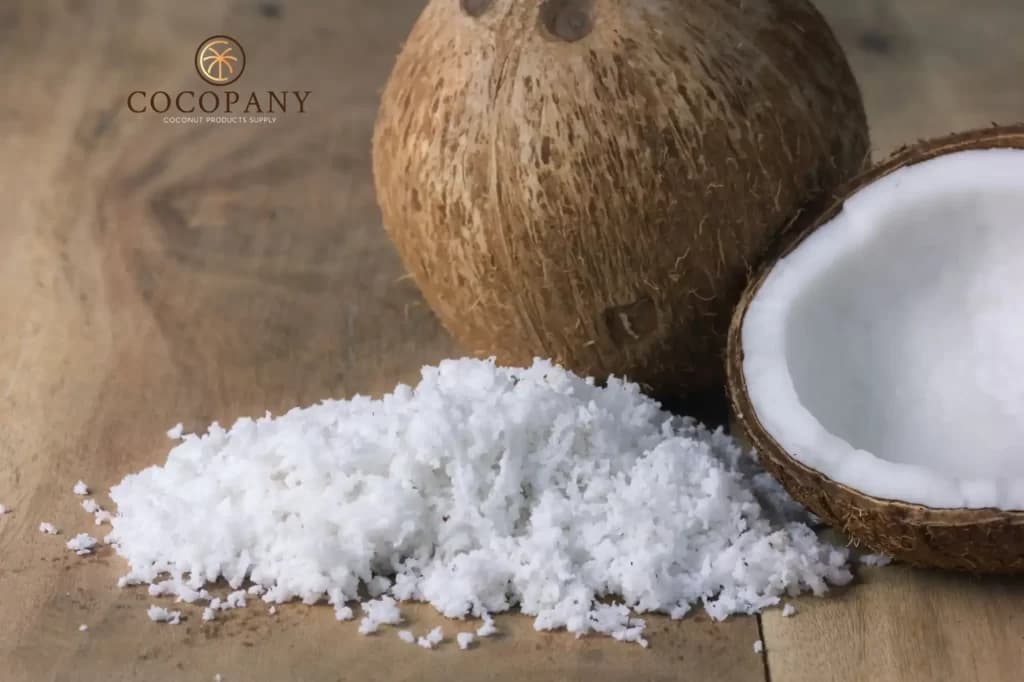
Desiccated Coconut
Grated and dried coconut meat, graded by cut size and fat content for bakery and confectionery.
View Details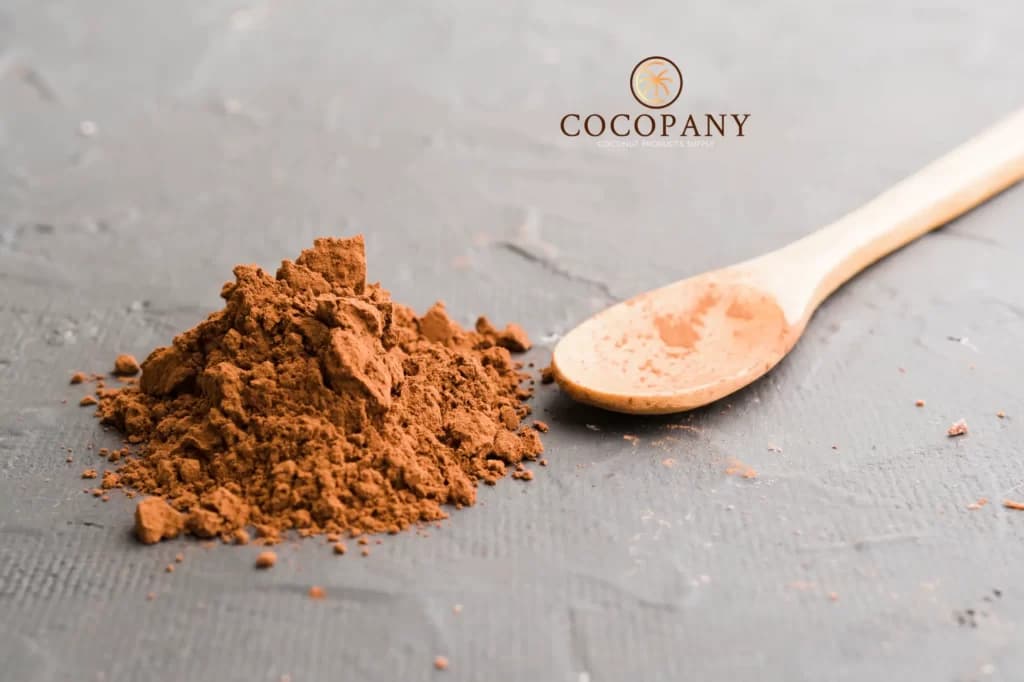
Coconut Sugar
Evaporated coconut blossom sap, sold granulated or milled to powder, organic or conventional.
View Details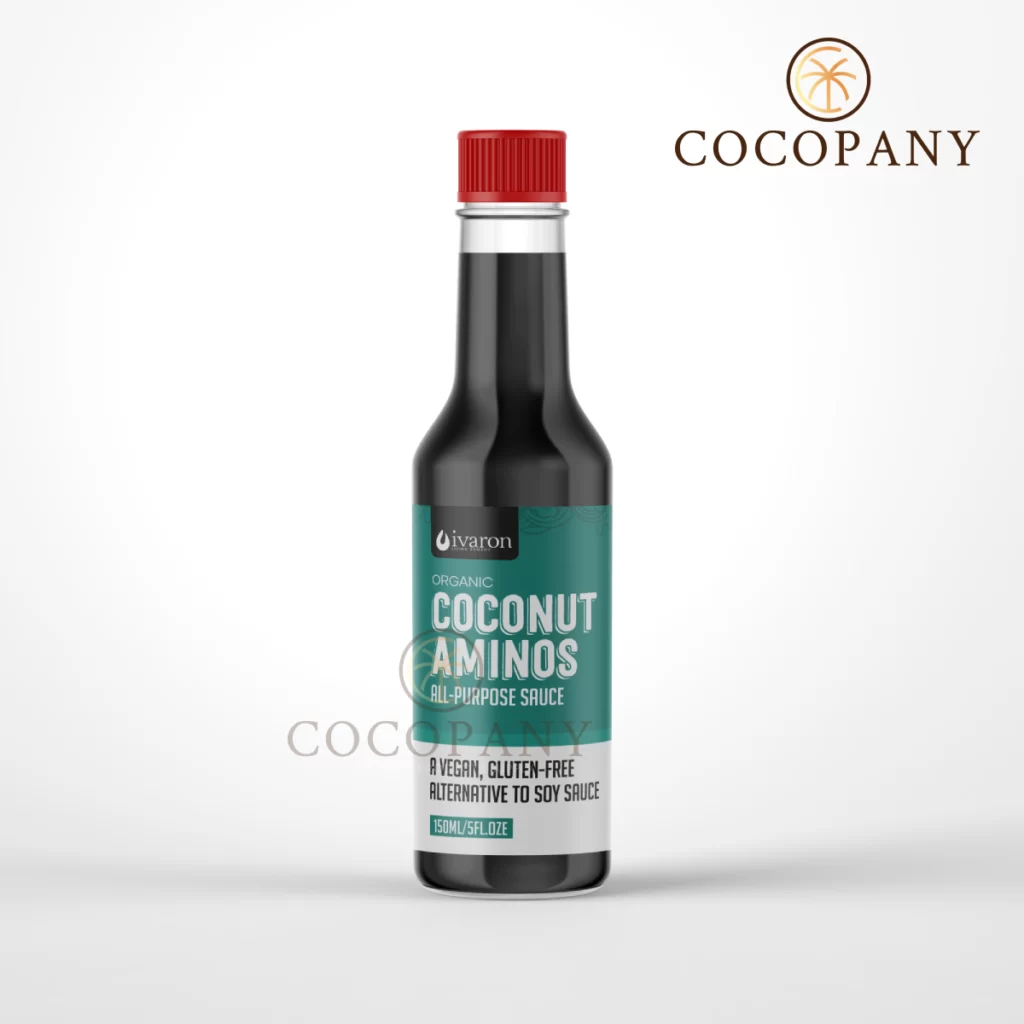
Coconut Aminos
Fermented coconut blossom sap seasoning, sold as a soy free and lower sodium soy sauce alternative.
View Details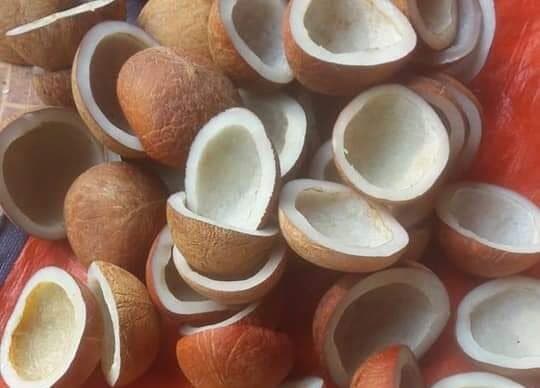
Dried Copra
Sun and kiln dried coconut kernel, supplied as raw material for oil extraction.
View Details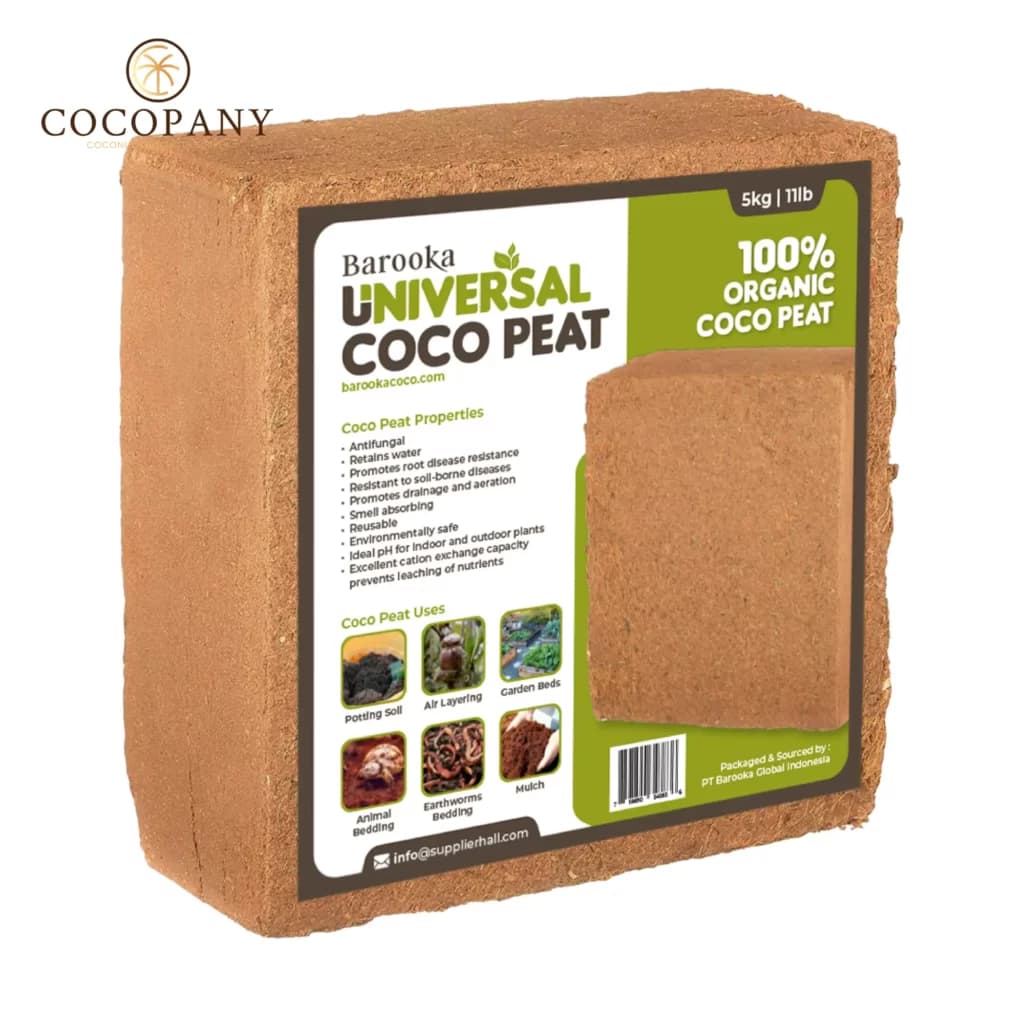
Cocopeat Block
Washed coconut pith compressed 5:1 into blocks, buffered for hydroponics and nursery growing.
View Details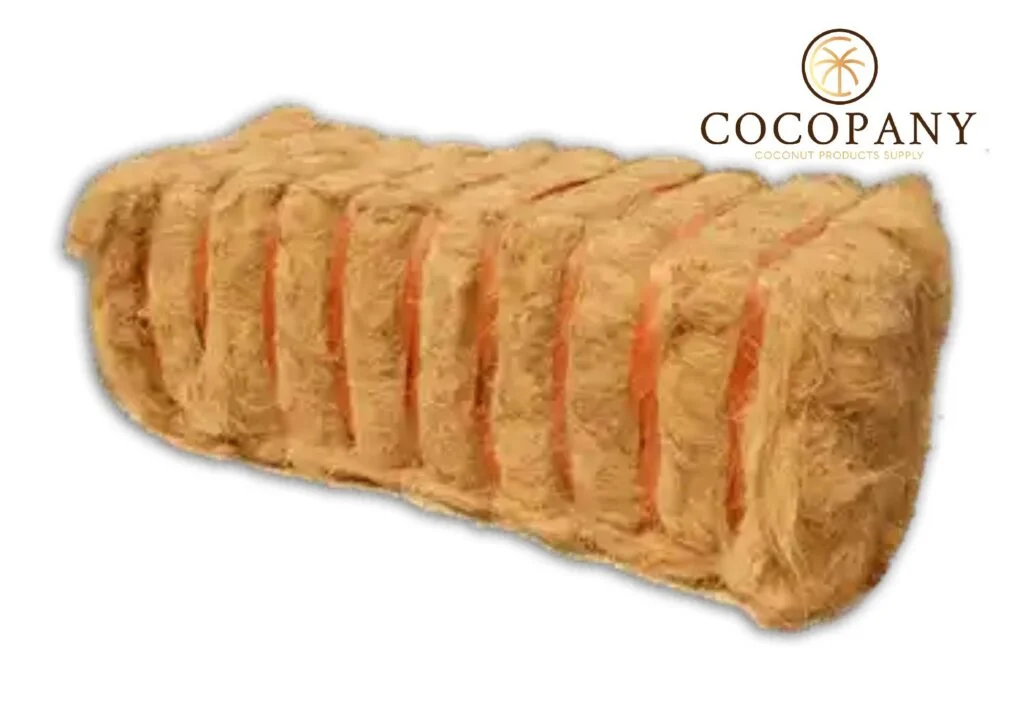
Coconut Fiber
Long strand coir baled for geotextiles, mattress filling, brush stock, and erosion control.
View Details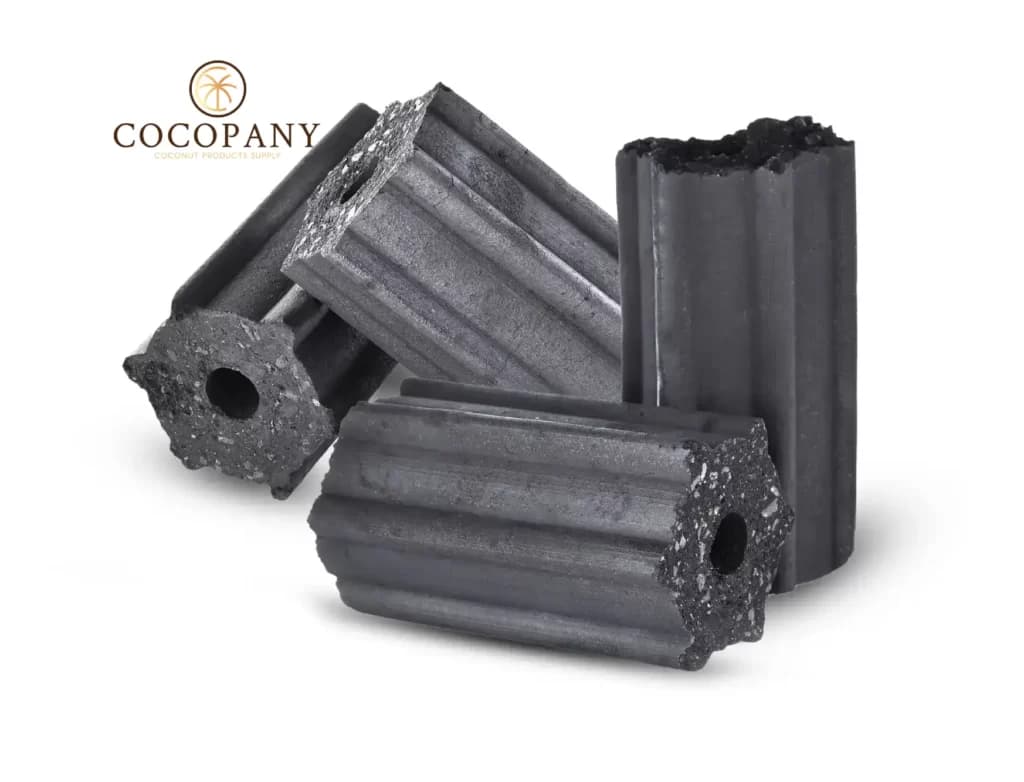
Charcoal Briquettes
Coconut shell charcoal moulded with natural binder, burning hotter and longer than wood charcoal.
View Details
Our Certifications
Quality You Can Verify
Every shipment from Cocopany meets international food safety, organic, and export standards.
- HACCPHazard Analysis and Critical Control Points
- USDA OrganicUSDA National Organic Program
- Halal IndonesiaHalal Indonesia (MUI)
- EU OrganicEU Organic, certified by Control Union (ID-BIO-149)
- JAS OrganicJapanese Agricultural Standard, Organic
- BRCGSBRCGS Global Standard for Food Safety
Why Work With Us
The Advantages of Sourcing from Cocopany
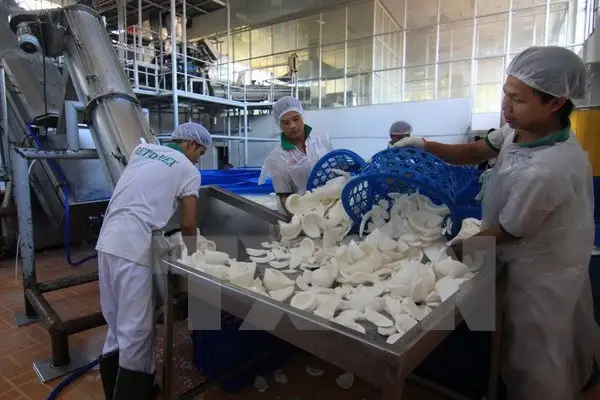
We are not a broker. We are a manufacturer and a direct exporter.
Factory Direct
No middlemen. You source straight from our production facility in Central Java, which is what makes both the pricing and the traceability work.
Flexible Minimum Orders
Orders start at 20 metric tons, and we ship samples first so your lab can sign off before you commit to a container.
Complete Documentation
COA, phytosanitary certificates, halal certificates, and whatever else your customs authority asks for. We check the destination requirements before booking.
On Time Delivery
A 14 to 30 day lead time, coordinated with freight forwarders we have used for years rather than whoever quotes cheapest that week.
Common Questions
Before You Place an Inquiry
Yes. We prepare the documents required to clear your order into your market, and we check your destination requirements before the container is booked rather than after.
- Certificate of Analysis (COA)
- Certificate of Origin
- Material Safety Data Sheet (MSDS)
- Bill of Lading
- Commercial Invoice and Packing List
- Halal and organic certificates where they apply
- Fumigation certificate or manufacturer’s declaration where required
Yes. Send us your DHL or FedEx account number and the specification you want to evaluate, and our export team will arrange the sample shipment. Sample volumes are sized for lab testing and trial runs rather than for resale.
We work with telegraphic transfer (T/T) and letter of credit (L/C). For repeat buyers we also accept 50 percent deposit against the bill of lading, with the balance on presentation of documents.
We ship on EXW, FOB, and CIF terms. Which one makes sense depends on your destination port and on whether you already hold a freight contract, and our team will walk you through the difference in landed cost.
More questions? Visit our full FAQ page.
Ready to Source from Indonesia?
Tell us what you need. We respond within one business day.