
Virgin coconut oil (VCO) is widely used in food, personal care, and cosmetic formulations. It is often promoted as a cure-all, but the scientific evidence is more nuanced. VCO can be a useful ingredient, especially for flavor and topical moisturization, while claims about weight loss, infection treatment, or heart protection require caution.
This guide explains what virgin coconut oil is, how it differs from refined coconut oil, which potential benefits have human evidence, how to use it responsibly, and what buyers should check before choosing a product or supplier.
What Is Virgin Coconut Oil?
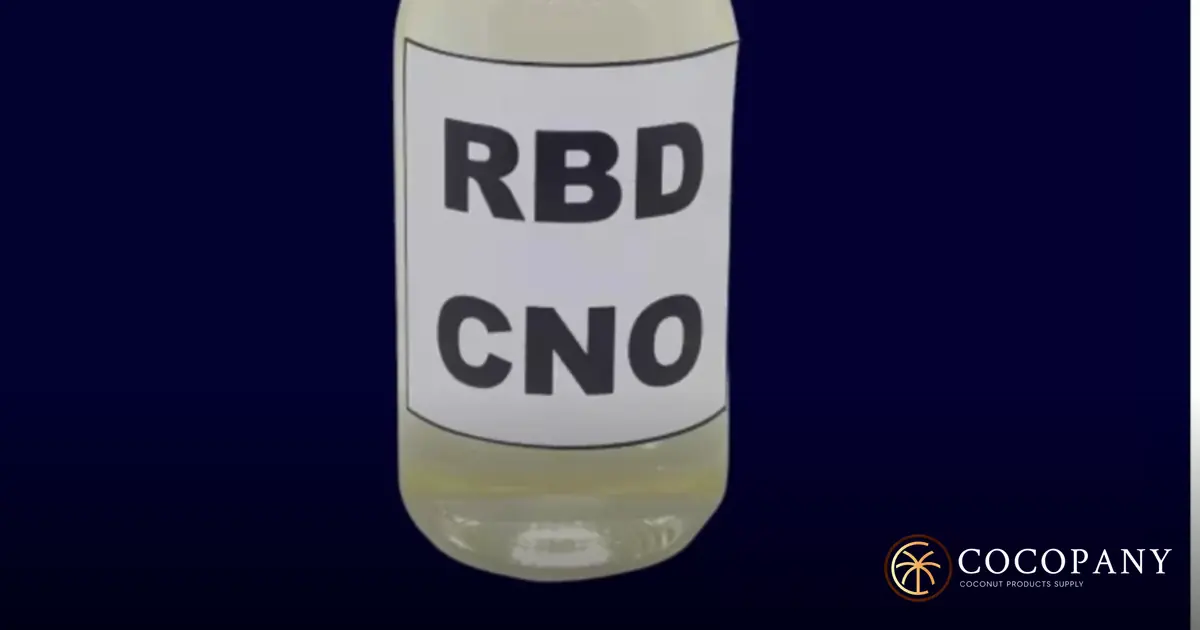
Virgin coconut oil is extracted from fresh coconut kernel or coconut milk without the refining, bleaching, and deodorizing steps used to produce RBD coconut oil. Depending on the producer, extraction may involve cold pressing, centrifugation, fermentation, or carefully controlled heat. The word "virgin" describes the processing category; it does not guarantee that every product is completely heat-free.
Because VCO is minimally processed, it normally retains a noticeable coconut aroma and flavor. It also contains small amounts of naturally occurring phenolic compounds. Its dominant fatty acid is lauric acid, together with myristic, palmitic, caprylic, and capric acids.
VCO is sometimes described as a pure medium-chain triglyceride oil. That comparison is misleading. Commercial MCT oil is usually concentrated in caprylic and capric acids, while coconut oil contains a large proportion of lauric acid. These fats do not behave identically in the body.
For buyers comparing production methods, our guide to cold-pressed and expeller-pressed coconut oil explains how extraction choices affect flavor, yield, and product positioning.
Virgin Coconut Oil Benefits: What Does the Evidence Say?
The phrase "virgin coconut oil benefits" covers both topical and dietary uses. The level of evidence is not the same for every claim. Some topical applications have promising clinical research, while many oral health claims are based on laboratory studies, small trials, or research on isolated MCTs rather than VCO itself.
1. It may support the skin barrier when used topically
Topical VCO acts as an emollient, helping reduce water loss from the outer layer of the skin. A randomized clinical trial involving children with mild to moderate atopic dermatitis found better improvements in dermatitis scores, transepidermal water loss, and skin hydration with topical VCO than with mineral oil. The study is available through PubMed's clinical trial record.
This evidence does not mean VCO replaces prescribed eczema treatment. People with eczema, allergies, acne-prone skin, or active skin infections should ask a qualified healthcare professional before changing their care. A patch test on a small area is sensible before broader topical use.
2. It can function as a simple moisturizer and hair-care ingredient
VCO's oil-based texture can reduce the feeling of dryness and improve softness when applied to intact skin. It is also used in pre-wash hair treatments, conditioners, soaps, and body-care products. Performance depends on formulation, application amount, hair type, and individual tolerance.
Cosmetic use should not be confused with a medical claim. VCO may condition hair or moisturize skin, but it has not been established as a treatment for hair loss, fungal infection, psoriasis, or other medical conditions.
3. Lauric acid has antimicrobial activity in laboratory settings
Lauric acid and its derivative monolaurin have shown antimicrobial activity in laboratory research. However, activity in a test tube does not prove that eating or applying VCO can prevent or cure an infection in humans. VCO should never replace antibiotics, antifungal medicines, wound care, or a clinician's diagnosis.
This distinction matters because consumer articles sometimes turn laboratory findings into stronger health promises. A responsible interpretation is that the fatty-acid profile is scientifically interesting and useful for further research, not that VCO is an approved anti-infective medicine.
4. Cardiometabolic findings are mixed
Research on coconut oil and blood lipids has produced mixed findings. A 2025 systematic review of 14 randomized trials reported increases in HDL cholesterol and reductions in triglycerides, but no significant effects on several other cardiometabolic outcomes. The authors called for larger and longer trials. See the VCO systematic review and meta-analysis.
An earlier meta-analysis published in Circulation found that coconut oil increased LDL cholesterol compared with non-tropical vegetable oils and did not significantly improve body weight, blood glucose, or inflammation markers. See the systematic review of coconut oil and cardiovascular risk factors.
These results should not be simplified into "good" or "bad" cholesterol claims. VCO contains a high proportion of saturated fat, so serving size and the oils it replaces matter. Replacing butter may produce a different comparison from replacing olive, canola, soybean, or sunflower oil.
5. Weight-loss claims are not established
Some weight-loss claims are extrapolated from studies of concentrated MCT oil. VCO is not compositionally identical to MCT oil, and clinical reviews have not shown a consistent, meaningful reduction in body weight or body fat from coconut oil consumption.
Adding VCO on top of an existing diet also adds calories. Anyone using it in food should count it as part of total fat and energy intake, not as a calorie-free supplement. Sustainable weight management still depends on the overall dietary pattern, activity, sleep, and appropriate medical guidance.
6. Claims about cognition, digestion, and immunity remain limited
The body can convert some fatty acids into ketones, which has prompted research into neurological conditions. That does not make VCO a treatment for Alzheimer's disease, epilepsy, or cognitive decline. Clinical ketogenic diets used for epilepsy are medically supervised and cannot be reduced to taking coconut oil.
Likewise, claims that VCO "detoxifies" the digestive system, increases hydration, or universally improves the gut microbiome are not supported by strong clinical evidence. It can help carry fat-soluble nutrients as part of a meal, as other dietary fats do, but it should not be presented as a digestive cure.
Common Uses of Virgin Coconut Oil
VCO has practical applications that do not depend on exaggerated health claims:
- Cooking and baking: It adds coconut aroma to curries, baked goods, granola, confectionery, and plant-based recipes.
- Food manufacturing: It may be used where a coconut flavor and semi-solid fat profile are desirable.
- Skin care: Small amounts can be applied to intact, dry skin if well tolerated.
- Hair care: It is used in pre-wash treatments, masks, conditioners, and formulated hair products.
- Soap and cosmetics: Its fatty-acid profile supports soap, balm, lotion, and personal-care formulations.
Smoke point and frying suitability can vary with processing and product quality. Follow the manufacturer's specifications and avoid repeatedly overheating any cooking oil.
Virgin Coconut Oil vs RBD Coconut Oil
Both products come from coconuts, but their processing, sensory profile, and common applications differ.
| Factor | Virgin coconut oil | RBD coconut oil |
|---|---|---|
| Raw material | Fresh coconut kernel or milk | Usually crude coconut oil, often produced from copra |
| Processing | Minimal processing without refining, bleaching, or deodorizing | Refined, bleached, and deodorized |
| Flavor and aroma | Noticeable coconut character | Neutral or very mild |
| Typical applications | Premium foods, supplements, skin care, hair care | Large-scale food manufacturing, bakery, cosmetics, soap |
| Buyer focus | Sensory quality, extraction method, oxidation control | Consistency, neutral flavor, refining specifications |
For a more detailed commercial comparison, read our VCO versus RBD coconut oil buyer guide.
How to Evaluate Virgin Coconut Oil Quality
Health marketing should never replace a technical specification. Buyers should evaluate measurable quality indicators and lot-specific documentation.
Check the extraction and raw-material description
Ask whether the oil is produced from fresh kernel, coconut milk, or dried material. Confirm the extraction method, maximum processing temperature where relevant, filtration steps, and whether additives are used. The method should match the product claim and intended application.
Review chemical and sensory parameters
Common VCO quality checks include:
- free fatty acid level;
- moisture and volatile matter;
- peroxide value;
- color, aroma, and flavor;
- insoluble impurities;
- fatty-acid profile;
- microbiological testing where required by the market or application.
Our virgin coconut oil specification guide explains how free fatty acids, peroxide value, packaging, and storage relate to product stability.
Request a lot-specific certificate of analysis
A specification sheet describes agreed limits, while a certificate of analysis reports results for a particular production lot. Buyers should confirm that the lot number on the COA matches the material offered. Read our guide to understanding a virgin coconut oil certificate of analysis.
Examine packaging and storage controls
Light, heat, moisture, oxygen exposure, and contamination can affect oil quality. Packaging should be food-grade and appropriate for shipment size and destination. Ask how containers are sealed, how headspace is managed, and whether the supplier provides recommended storage conditions and shelf-life documentation.
Verify supplier capability
Supplier evaluation should cover production capacity, traceability, food-safety controls, certifications, export documentation, sampling, and complaint handling. Use our virgin coconut oil supplier checklist before approving a commercial order.
Buyers sourcing from Indonesia can also review Cocopany's virgin coconut oil product and supply information for available product discussions and quotation support.
How to Use VCO Responsibly
VCO can fit into a varied diet, but it should not be treated as medicine or consumed without regard to saturated-fat intake. The World Health Organization guideline on saturated fatty acids recommends limiting saturated fat and favoring unsaturated fats when replacing it. The American Heart Association's cooking-oil guidance likewise recommends oils with less saturated fat for routine heart-healthy cooking.
Practical considerations include:
- use moderate portions and count VCO within total dietary fat;
- do not use it as a substitute for prescribed treatment;
- seek personalized advice if you have high LDL cholesterol, cardiovascular disease, diabetes, liver disease, or another condition affected by diet;
- stop topical use if irritation, redness, or worsening symptoms occur;
- keep the container tightly closed and follow the producer's storage instructions.
There is no universal therapeutic dose of VCO for preventing or treating disease. Recommendations involving large daily amounts should be treated cautiously unless a qualified clinician has assessed the individual's full diet and medical history.
Related Reading
- Private Label Coconut Sugar: An OEM Buyer's Guide
- RBD Coconut Oil: Food Grade vs Cosmetic Grade Applications
- rbd coconut oil health benefits
- rbd coconut oil manufacturer
Frequently Asked Questions
What should a buyer check first for virgin coconut oil?
Start with the intended application and convert it into a written specification. Identify the critical limits for processing method, oxidation indicators, and sensory quality. Confirm the test methods, units, sampling plan, packaging, and destination requirements before comparing quotations or approving a sample.
Is a certificate of analysis enough to approve virgin coconut oil?
No. A certificate of analysis is useful only when it identifies the lot, methods, date, and relevant results. Buyers should also review a representative sample, run an application trial, inspect packaging, and verify that the supplier can reproduce the approved quality during commercial production.
How many samples should be evaluated before ordering?
There is no universal number, but the sample must represent the proposed production grade and packing. For a critical application, compare more than one lot or production date. Keep an approved reference sample, record the trial conditions, and define what must be retested before shipment.
How should competing virgin coconut oil quotations be compared?
Normalize the grade, specification, dry or wet basis, packing, quantity tolerance, inspection scope, Incoterm, and payment terms. Then compare usable product and delivered cost. A headline price can be misleading when suppliers include different testing, liners, pallets, documents, or inland logistics.
What should be agreed for repeat virgin coconut oil orders?
Use the same specification revision, test methods, acceptance limits, and sampling plan for every lot. Require traceable certificates and advance notice of process or packing changes. Retain samples and review trends so gradual shifts in food or cosmetic use or packaging and storage are detected early.